-
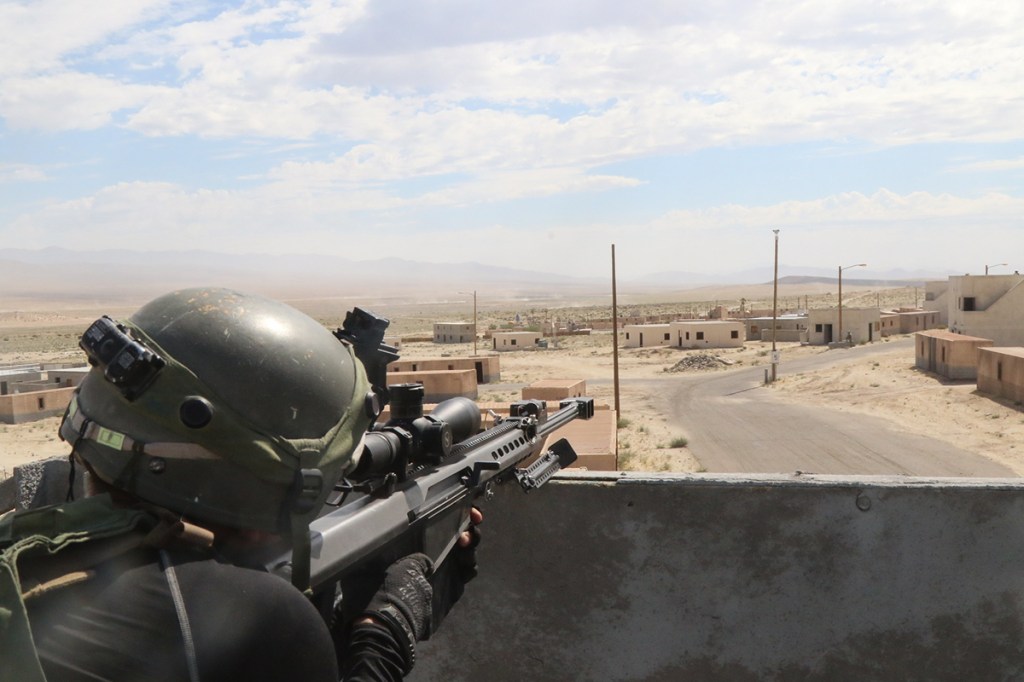
How our recent Medal of Honor shows a weakness in military power
Without investment and new ways of thinking, our soldiers will neither dominate nor be feared in urban combat, the author of this commentary says.
-
The US military will pay the price if no budget deal is reached
The use of a continuing resolution would be a grave mistake.
-

Opinion: US–Taliban peace talks betray the trust of the Afghan people
The gains religious minorities and women have made will be lost since both groups will be severely curtailed and persecuted if the Taliban return, as they have not changed since their downfall in 2001, the author of this commentary writes.
-
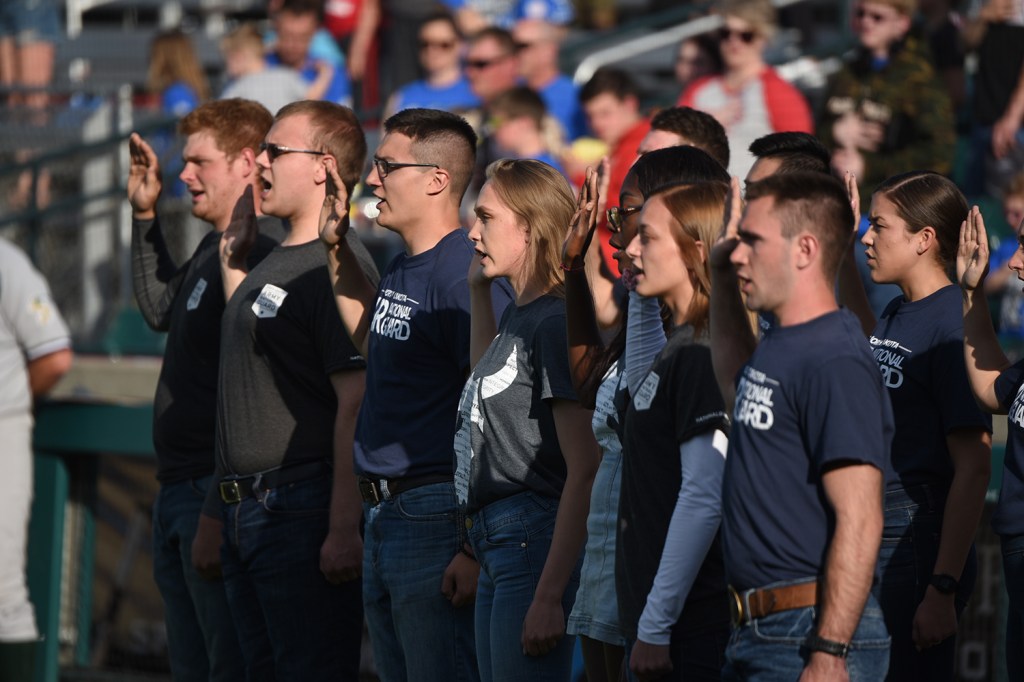
Would lowering the age of recruitment fix the military’s recruiting worries?
To combat the growing military-civilian divide, the military must be willing to change its recruiting tactics amid changing times, the author of this opinion piece writes.
-
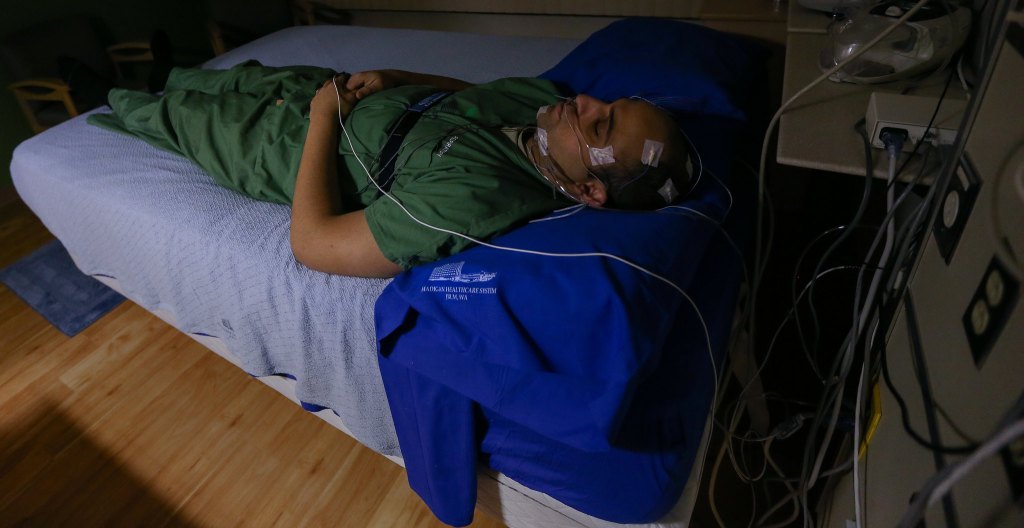
For at-risk veterans, finding pathways to good sleep is critical
There is a dangerous connection between insomnia and suicide ideations, attempts and deaths, this author says.
-
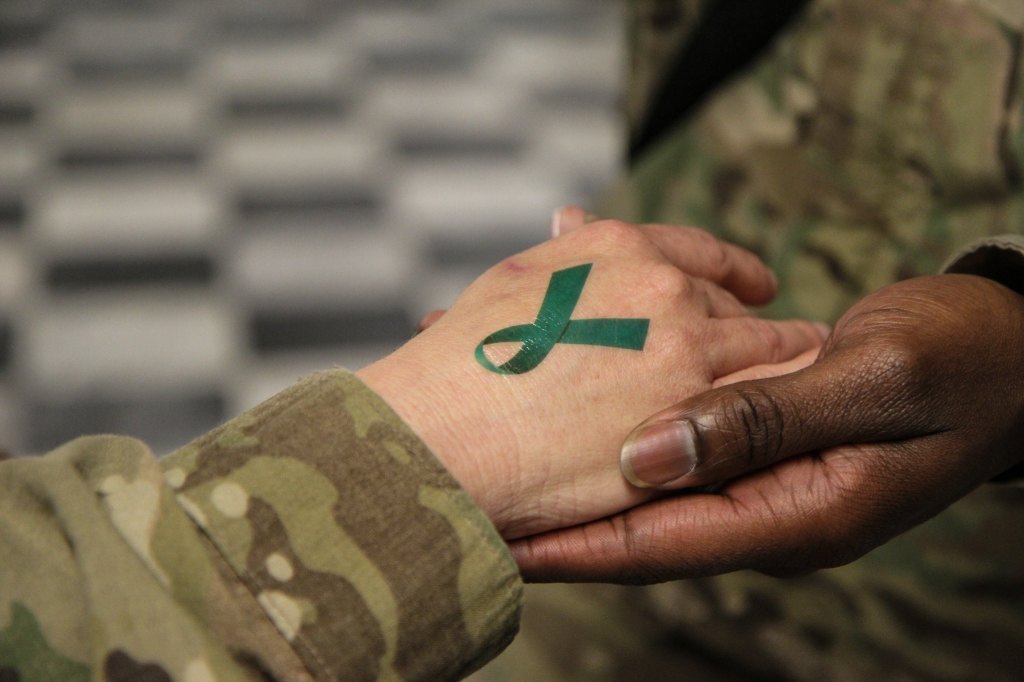
Gillibrand: The Military Justice Improvement Act would give service members a justice system that works
In the fight against military sexual assault, the Pentagon is out of time and should now be out of excuses, this senator says.
-
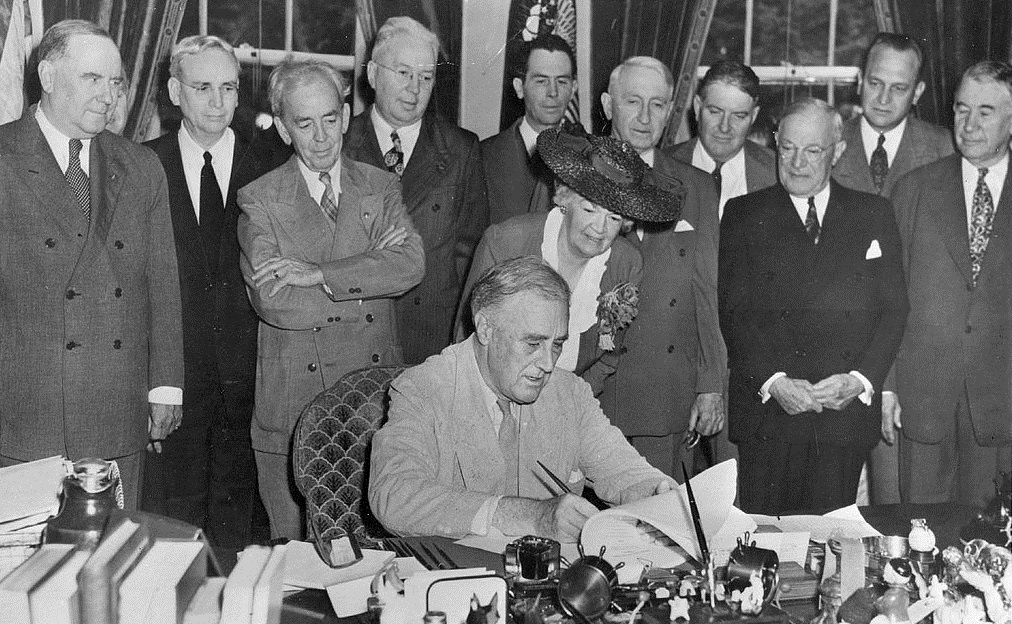
For veteran families, not everything about the GI Bill is worthy of celebration
Policies governing transferability of GI Bill benefits have the capacity to negatively affect some of our nation’s longest-serving veterans, says this author.
-
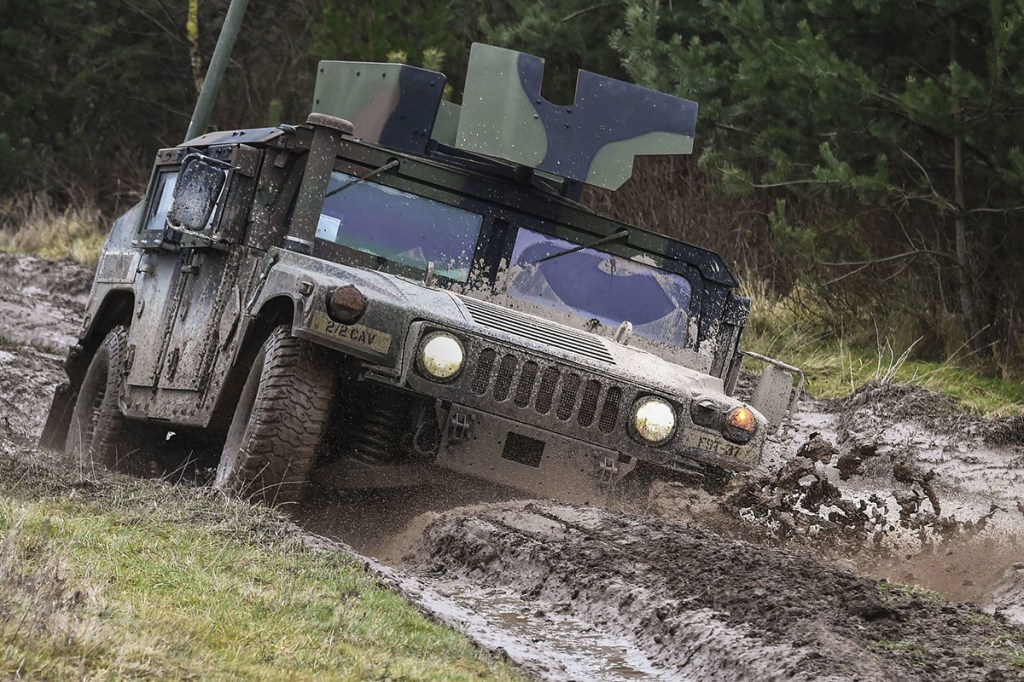
It’s time to fix the Army’s aging Humvee fleet before more lives are lost
It’s time for our government to show that it values lives by paying for Humvee retrofits that prevent rollover and loss-of-control crashes before they occur, says this author.
-

Medical cuts could cause irreversible damage
The proposed elimination of 18,000 medical billets, or about 20% of the force, could have profound and long-lasting consequences on the military health system, a former Navy surgeon general writes.
-
How our recent Medal of Honor shows a weakness in military power
Without investment and new ways of thinking, our soldiers will neither dominate nor be feared in urban combat, the author of this commentary says.
-
The US military will pay the price if no budget deal is reached
The use of a continuing resolution would be a grave mistake.
-
Opinion: US–Taliban peace talks betray the trust of the Afghan people
The gains religious minorities and women have made will be lost since both groups will be severely curtailed and persecuted if the Taliban return, as they have not changed since their downfall in 2001, the author of this commentary writes.
-
Would lowering the age of recruitment fix the military’s recruiting worries?
To combat the growing military-civilian divide, the military must be willing to change its recruiting tactics amid changing times, the author of this opinion piece writes.
-
For at-risk veterans, finding pathways to good sleep is critical
There is a dangerous connection between insomnia and suicide ideations, attempts and deaths, this author says.
-
Gillibrand: The Military Justice Improvement Act would give service members a justice system that works
In the fight against military sexual assault, the Pentagon is out of time and should now be out of excuses, this senator says.
-
For veteran families, not everything about the GI Bill is worthy of celebration
Policies governing transferability of GI Bill benefits have the capacity to negatively affect some of our nation’s longest-serving veterans, says this author.
-
It’s time to fix the Army’s aging Humvee fleet before more lives are lost
It’s time for our government to show that it values lives by paying for Humvee retrofits that prevent rollover and loss-of-control crashes before they occur, says this author.
-

Calling suicide shameful is the wrong call, these authors say
Should suicide be called shameful?
-
Medical cuts could cause irreversible damage
The proposed elimination of 18,000 medical billets, or about 20% of the force, could have profound and long-lasting consequences on the military health system, a former Navy surgeon general writes.
-
How our recent Medal of Honor shows a weakness in military power
Without investment and new ways of thinking, our soldiers will neither dominate nor be feared in urban combat, the author of this commentary says.
-
The US military will pay the price if no budget deal is reached
The use of a continuing resolution would be a grave mistake.
-
Opinion: US–Taliban peace talks betray the trust of the Afghan people
The gains religious minorities and women have made will be lost since both groups will be severely curtailed and persecuted if the Taliban return, as they have not changed since their downfall in 2001, the author of this commentary writes.
-
Would lowering the age of recruitment fix the military’s recruiting worries?
To combat the growing military-civilian divide, the military must be willing to change its recruiting tactics amid changing times, the author of this opinion piece writes.
-
For at-risk veterans, finding pathways to good sleep is critical
There is a dangerous connection between insomnia and suicide ideations, attempts and deaths, this author says.
-
Gillibrand: The Military Justice Improvement Act would give service members a justice system that works
In the fight against military sexual assault, the Pentagon is out of time and should now be out of excuses, this senator says.
-
For veteran families, not everything about the GI Bill is worthy of celebration
Policies governing transferability of GI Bill benefits have the capacity to negatively affect some of our nation’s longest-serving veterans, says this author.
-
It’s time to fix the Army’s aging Humvee fleet before more lives are lost
It’s time for our government to show that it values lives by paying for Humvee retrofits that prevent rollover and loss-of-control crashes before they occur, says this author.
-
Calling suicide shameful is the wrong call, these authors say
Should suicide be called shameful?
-
Medical cuts could cause irreversible damage
The proposed elimination of 18,000 medical billets, or about 20% of the force, could have profound and long-lasting consequences on the military health system, a former Navy surgeon general writes.