WASHINGTON – Army officials have withdrawn their intelligence network from a major testing exercise this fall because of software glitches, in the latest setback for the troubled system.
The decision, laid out in a July 15 memorandum obtained by The Associated Press, stands in contrast to the Army’s upbeat public statements about the Distributed Common Ground System.
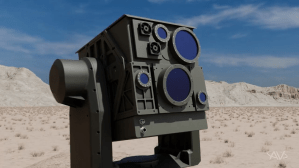
DCGS-A (pronounced Dee-Sigs-Ay) is a network of software, sensors and databases that is intended to allow troops to process and integrate intelligence from a variety of sources, from electronic intercepts to overhead imagery to spy reports, but has been prone to crashes.
A series of independent government reports in recent years have pointed to flaws in the system, which so far has cost taxpayers about $5 billion, records show. The Army says it is working to fix the problems in a new version to be completed next year. An Army spokesman did not have an immediate comment on the memo.
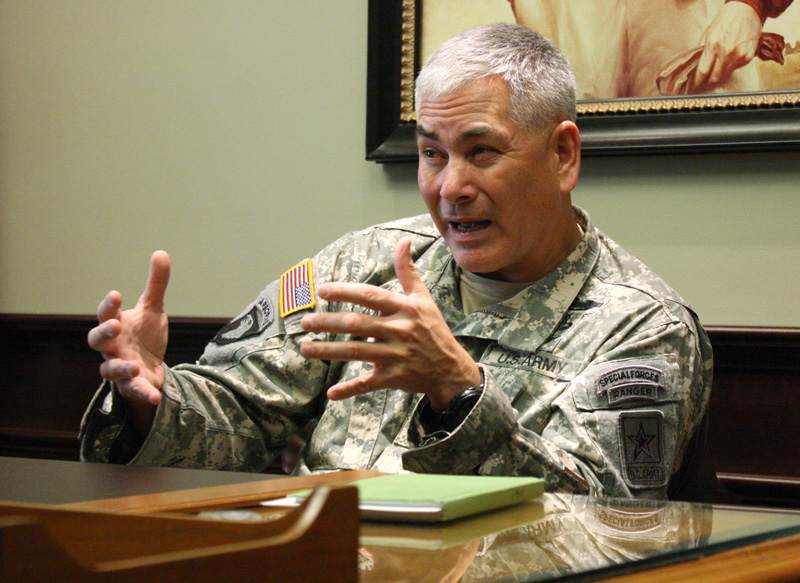
The general who signed the memo, Army vice chief of staff John Campbell, told Congress last year that DCGS-A “has saved lives” and had been significantly improved after independent reports found fault with it. In a recent interview with the AP, senior Army officials also defended the system, but would not allow their names to be used.
In the memo he signed, Campbell agreed with a proposal by the army’s testing command to withdraw DCGS-A from an army field testing exercise in October and November in Texas and New Mexico because of “continued significant software incident reports,” and “overall network operational readiness issues.” Troops who used DCGS-A in training earlier this year reported that it was prone to crashing, records show.
Campbell has been nominated to be the next commander in Afghanistan, where units will be expected to use DCGS-A to gather and sort through an array of intelligence reports, biometric information, overhead imagery, communications intercepts and other data.
Some members of Congress have grown skeptical of the system, which has been in place in Afghanistan and elsewhere for several years. The Senate appropriations committee last week zeroed out an Army request for $48 million to replace some DCGS-A equipment in Afghanistan, committee records show.
The Army’s chief of staff, Gen. Raymond Odierno, praised DCGS-A at a congressional hearing last year during a heated exchange with one of the system’s chief critics, Republican Rep. Duncan Hunter of California, a former Marine.
“I’m tired of somebody telling me I don’t care about our soldiers, that we don’t respond,” Odierno said. “A company commander today with DCGS-A has 20 times the capability I had as a division commander in 2003.”