
For centuries, military doctrine held a simple truth: seize the high ground and you command the battle. Elevation delivered observation, engagement advantage, and defensive strength. Today, that advantage has shifted. The high ground is no longer a hilltop. It is the forward edge of the battlespace, where sensing, decision, and effects converge. The force that owns the edge owns the fight.
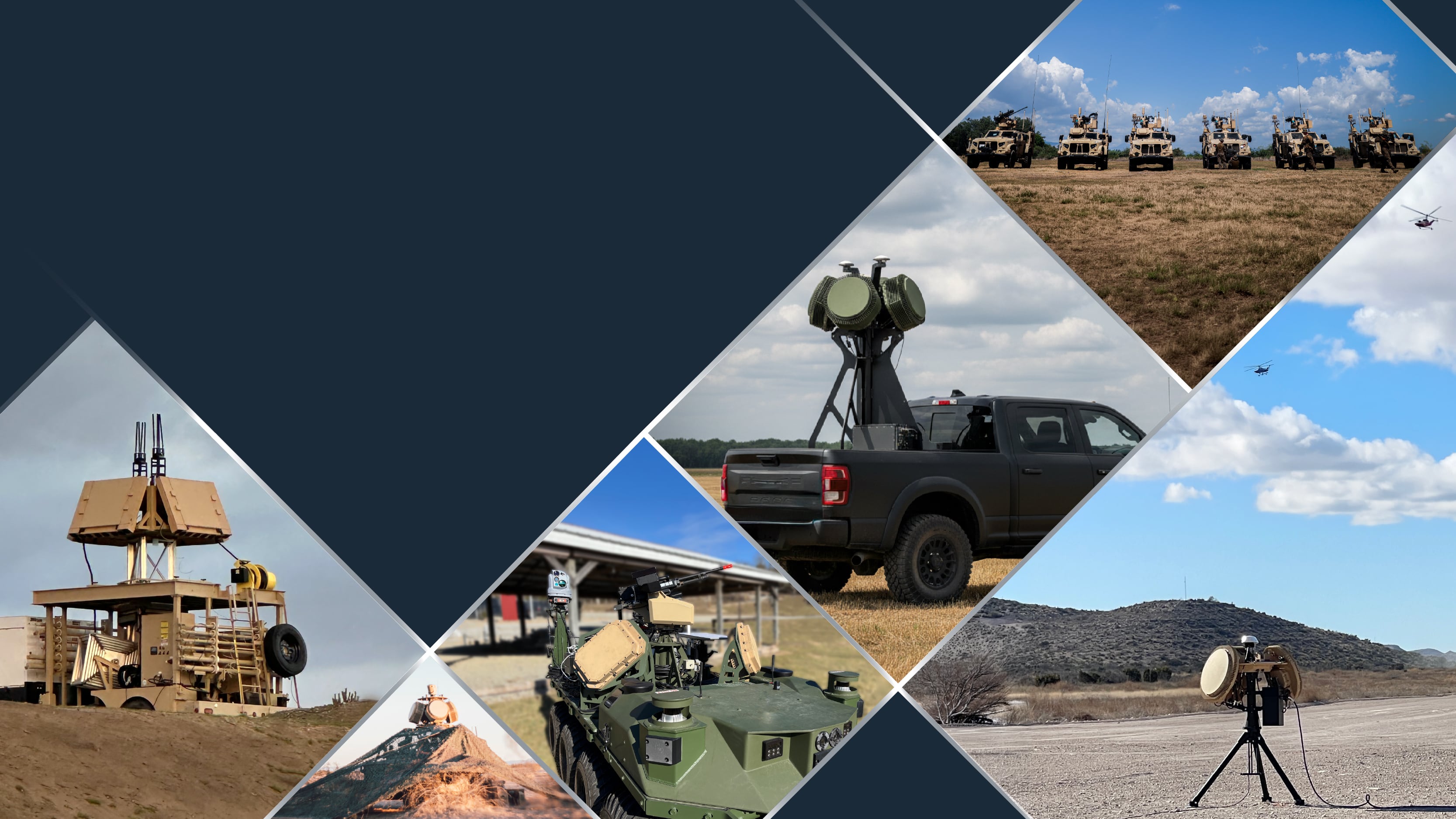
Recent conflicts have made this clear. In Ukraine, fixed radar sites and air defense nodes were targeted early in the war. Pattern-of-life analysis, drone reconnaissance, and emissions tracking exposed sensors that had taken years to field. The lesson is simple: a known sensor is a vulnerable sensor. Ukraine’s response revealed the countermeasure. By distributing and networking thousands of small, low-cost Leonardo DRS RADA Technologies radars to create an integrated and resilient mosaic air defense picture, paired with systems like NASAMS and Patriot, Ukrainian forces forced adversary planners to solve a continuously moving problem. When individual systems were struck, the network absorbed the loss. Sensor handoffs helped maintain track custody, allied data links sustained the air picture, and reconstituted nodes returned to coverage quickly. Distribution did not eliminate vulnerability. It neutralized the decisive value of any single strike.
In the Israel–Gaza theater—and most dramatically during Iran’s April 2024 mass attack—a different architectural lesson emerged. Israel’s layered air defense network integrates Iron Dome, David’s Sling, and Arrow through a common and networked sensing layer composed of hundreds of small, low cost DRS RADA radars and an integrated battle management architecture. When one radar or intercept layer was saturated, adjacent nodes could pick up track custody without collapsing the air picture. Hundreds of ballistic missiles, cruise missiles, and drones were detected, prioritized, and engaged across multiple layers, with the vast majority defeated. The outcome was not the product of any single system. It was the product of a networked, redundant sensing and command architecture that denied the adversary a decisive gap. Across the region, lower-cost threats continue to attrit high-value platforms. One drone, one munition, or one uncovered corridor can shift the local balance unless the network is designed to close gaps automatically. The issue is structural. Many defense architectures have prioritized singular excellence: large, exquisite, and often irreplaceable nodes. Once located, these hard-to-hide systems attract adversary fires. The era of the “golden sensor” is ending.
The CVRT framework—Criticality, Vulnerability, Recuperability, and Threat—offers a useful diagnostic lens. Applied to legacy sensing systems, the results are uncomfortable: high criticality, high vulnerability, low recuperability, and a broad threat set. Effective architectures must distribute capability, reduce signatures, and prioritize recovery. Recuperability is not a secondary concern. It is a competitive advantage.
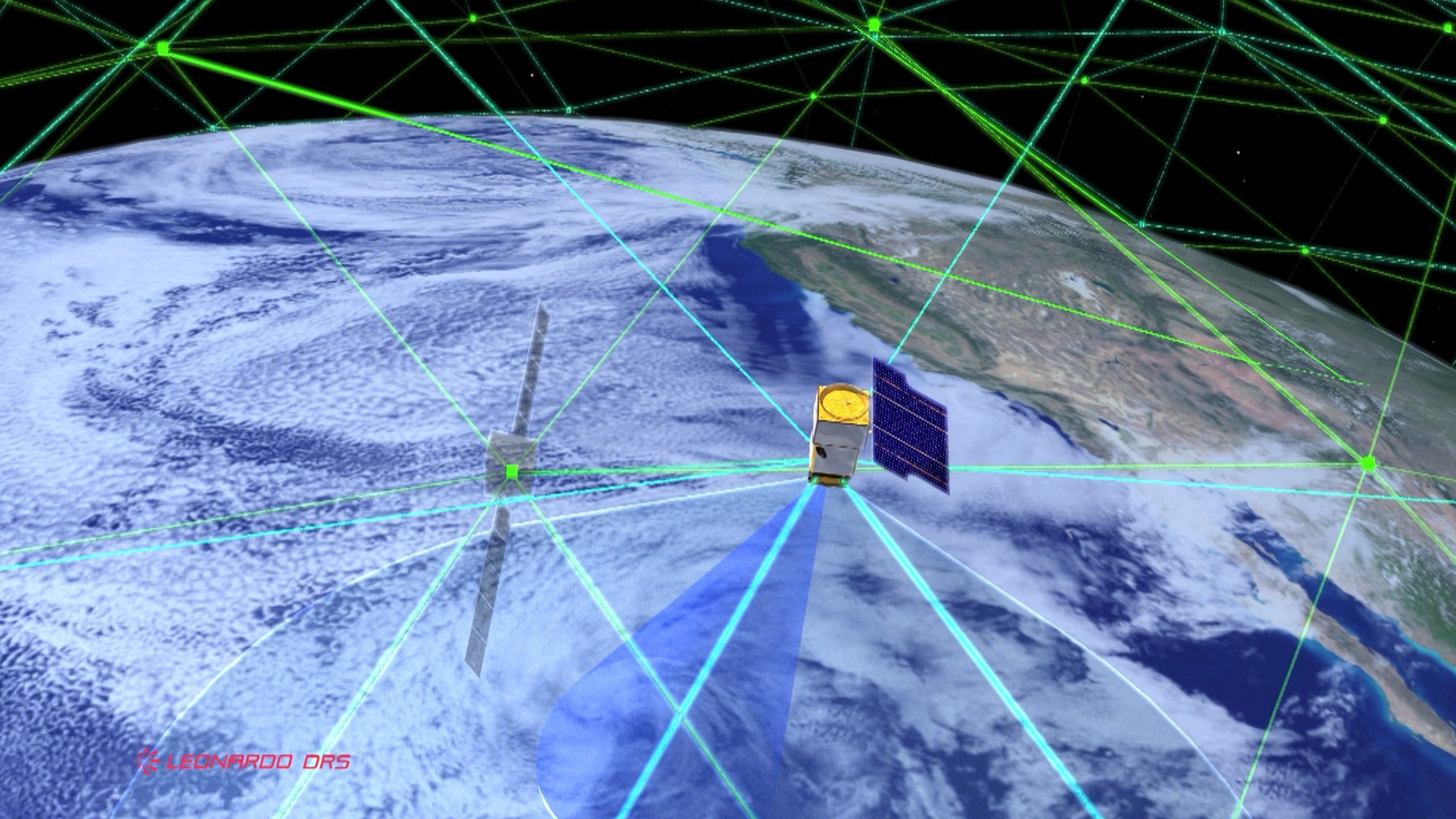
Owning the edge demands a layered network of distributed sensing. Compact radars, passive RF detection, electro-optical and infrared systems, and autonomous forward assets must sustain coverage and track custody even when individual nodes are disrupted. Distribution complicates adversary targeting: they must locate and suppress many systems rather than execute a single decisive strike.
This shift also changes where decisions are made. In contested environments, centralized control becomes a vulnerability. Tactical units require organic sensing and the authority to act at the edge. AI-enabled threat discrimination, autonomous cueing, and resilient communications must operate at the node level under commander’s intent, even with intermittent connectivity.
The required building blocks already exist: compact, software-defined, multi-mission AESA radars; communications gateways that bridge waveforms and echelons; autonomous systems that extend sensing without increasing exposure; and onboard processing that enables local exploitation without constant reach back. Technology is necessary—but it is not sufficient. The harder challenge is design and execution: concepts of employment, integration, sustainment, and training that assume attrition and disruption.
The choice is straightforward: Integrate edge-focused assumptions into operational design. Use CVRT analysis to identify and eliminate single points of failure. Fund prototypes that prove track custody continuity under loss, and resource rapid reconstitution as a requirement, not an afterthought. High ground has always been decisive. Today, it exists at the edge of sensing, decision, and action. The force that seizes and holds that ground will define the fight. The application of lower cost mobile and networked sensors provide combat proven resilience and will enable our forces to Own The Edge™.