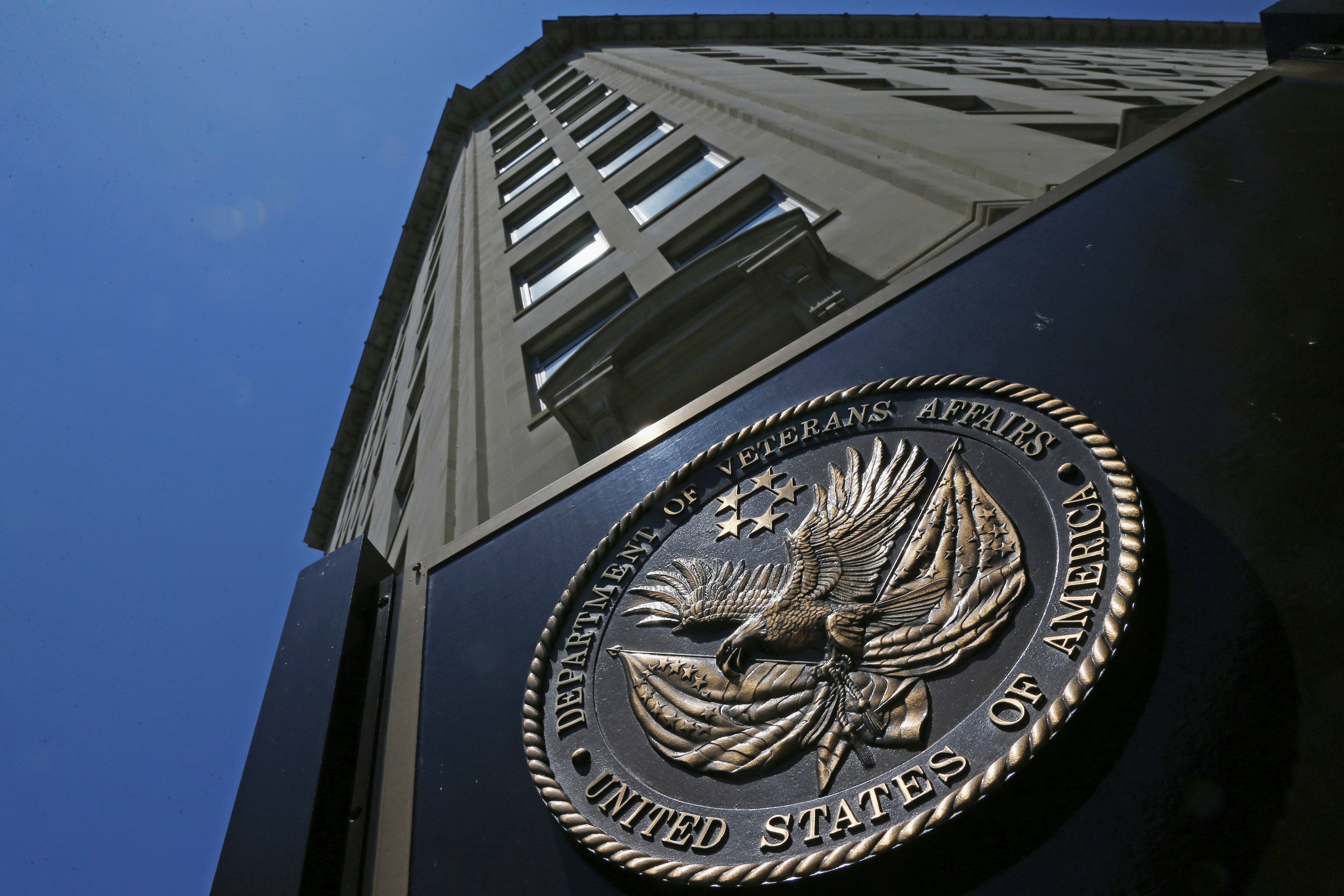
The Department of Veterans Affairs has announced a massive reorganization of its community care network, contracts worth up to $1 trillion over 10 years that will cut the number of regions from five to two but expand opportunities for health care networks.
In addition to streamlining management oversight and cutting administrative costs, the move will ensure that the program that provides VA-covered medical care to veterans in private networks will continue as current contracts expire next year.
The VA’s community care network is now divided into five regions, with TriWest Healthcare Alliance managing two regions consisting of 14 states and three territories, and Optum Serve overseeing three regions that include 36 states, two territories and Washington, D.C.
The new contracts will be divided into Community Care Network (CCN) Next Generation Network–East, including 29 states, Washington, D.C., the U.S. Virgin Islands and Puerto Rico. CCN Next Generation Network-West will consist of 21 states, Guam, American Samoa and the Northern Marianas.
The VA issued a request for proposal Monday to solicit interest in these lucrative contracts.
“VA has learned a lot about community care over the years, and we are putting that knowledge to use to help veterans with the next generation of community care contracts,” VA Secretary Doug Collins said in a press release Monday.
VA officials said the new contracts will result in broader treatment choices for veterans, as the new structure will allow more health plans to compete to provide service. The contracts also include industry standards for care and agreements to provide the VA with tools the department can use to support veterans who receive community care.
“This RFP will result in contracts that dramatically improve our ability to provide quality health care while ensuring veterans can choose the care that’s best for them,” Collins said.
The changes come at a time when the VA and Defense Department are increasing cooperation between their medical departments. The fiscal 2026 National Defense Authorization Act, which is expected to pass the Senate this week, calls for DOD to broaden veterans’ access to care at military health facilities that have available space.
It also requires the two agencies to cooperate in providing patients for graduate professional programs and “cross-credentialing” doctors, nurses and technicians to ensure that these providers could care for veterans enrolled jointly at DOD and VA facilities.
The VA already operates a number of clinics in DOD facilities. The VA staffs clinics at Blanchfield Army Community Hospital, Tennessee; Naval Hospital Pensacola, Florida; and the Tampa area.
Proposals on the new community care contracts are due to the VA by March 16, according to the request.
Any changes to the VA community care system are bound to be met with skepticism by some veterans organizations that oppose expansion of community care if it comes at the expense of VA hospitals and clinics.
Kyleanne Hunter, a Marine veteran and CEO of Iraq and Afghanistan Veterans of America, testified in July before Congress on community care, noting that veterans who are seen at VA facilities face shorter appointment wait times and often receive better care for exposure-related illnesses and mental health conditions.
“Community care is a vital part of overall veterans’ health care, but especially as we consider rising costs, we need to be clear that the evidence does not bear out that community care is a meaningful replacement for all direct VA care,” Hunter said.
House Veterans Affairs Chairman Rep. Mike Bost, R-Ill., said Monday that the new contracts looked promising.
“Congress looks forward to working with Secretary Collins and the Trump administration to ensure that in this contract, veterans are placed at the forefront of every decision so that they can continue to choose the care that’s best for them,” Bost said in a statement.
Rep. Mark Takano of California, the committee’s ranking Democrat, declined to comment on the request for proposal. A source with knowledge of the committee’s work said the VA has not provided any information on the forthcoming changes to the committee’s Democratic leadership, but they expected an update late Monday afternoon.
VA officials also said Monday that the department plans to eliminate 25,000 vacant positions in the Veterans Health Administration. The Washington Post reported Saturday that managers in the Veterans Health Administration were told to identify thousands of openings that could be canceled — an order seen as stretching a federal department that lost 30,000 jobs earlier this year as a result of incentives, early retirements and the layoffs of probationary hires.
VA press secretary Peter Kasperowicz described the vacancies as “mostly COVID-era roles that are no longer necessary” and said most of the positions targeted for elimination have been vacant for more than a year.
He added that VA medical facilities would continue to fill any vacancy as needed.
“No VA employees are being removed, and this will have zero impact on veteran care,” Kasperowicz said in an email to Military Times.
Patricia Kime is a senior writer covering military and veterans health care, medicine and personnel issues.