The Army is restructuring an advisory force born of the global war on terrorism, transferring responsibility to a newly created Western Hemisphere Command and retaining two regionally focused brigades as it scales back a mission that once spanned the globe.
As the Pentagon moves away from conflicts that shaped the post-9/11 era and toward preparing for large-scale conflict with near-peer competitors, an Army spokesperson has only confirmed that two Security Force Assistance Brigades, known as SFABs, will remain as the Army overhauls its command structure.
The 1st SFAB, regionally aligned to U.S. Southern Command, will stay at Fort Benning, Georgia, while the 5th SFAB, which is aligned to U.S. Indo-Pacific Command, is set to stay at Joint Base Lewis-McChord in Washington, Maj. Montrell Russell said in a statement to Military Times on Monday.
He also said that Western Hemisphere Command, formerly known as the U.S. Army Forces Command, would assume responsibilities formerly fulfilled by the Security Force Assistance Command, which was inactivated last week.
“The Army’s decision to inactivate the Security Force Assistance Command and reduce the number of Security Force Assistance Brigades is part of the broader Army Transformation Initiative to build a leaner, more lethal force,” Russell said, adding that “these changes optimize our force structure by consolidating headquarters, reducing overhead, and returning experienced advisors to formations that generate combat power, while preserving critical advisory capability where it is most needed in support of the Joint Force and our allies.”
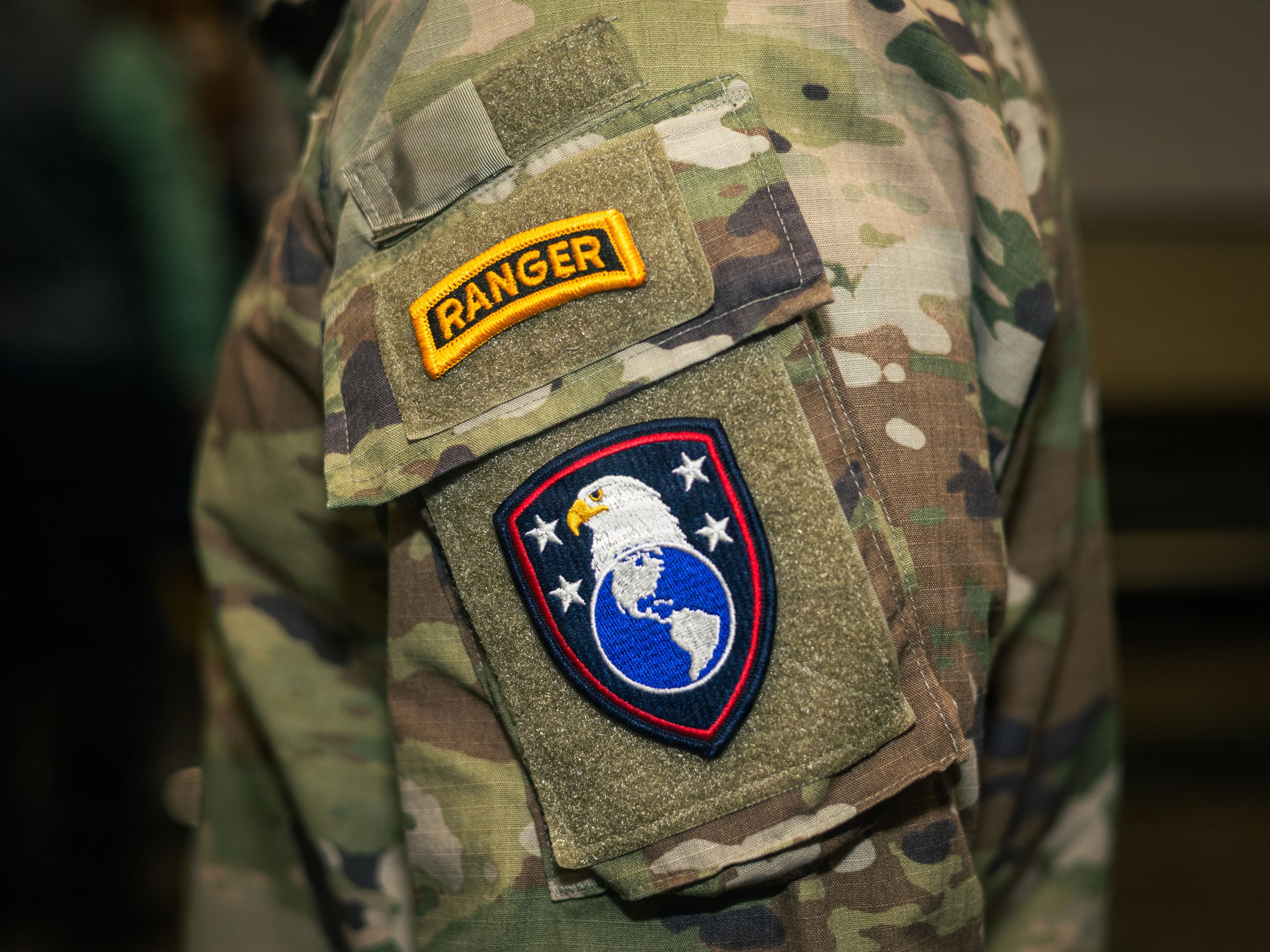
The Western Hemisphere Command, which is headquartered at Fort Bragg, North Carolina, was established late last year and combined three major commands: U.S. Army South, U.S. Army North and Armed Forces Command.
The changes are part of the Army Transformation Initiative, a broad reorganization effort aimed at trimming bureaucracy and reshaping how units are organized and utilized.
The SFABs were initially created to spare conventional brigades from repeatedly being drawn into advisory missions overseas. Six of the advisory brigades were established between 2017 and 2020.
Formerly regionally aligned with U.S. Africa Command, the 2nd SFAB was officially shuttered in November 2025.
Russell’s statement did not address other brigades.
Eve Sampson is a reporter and former Army officer. She has covered conflict across the world, writing for The New York Times, The Washington Post and The Associated Press.