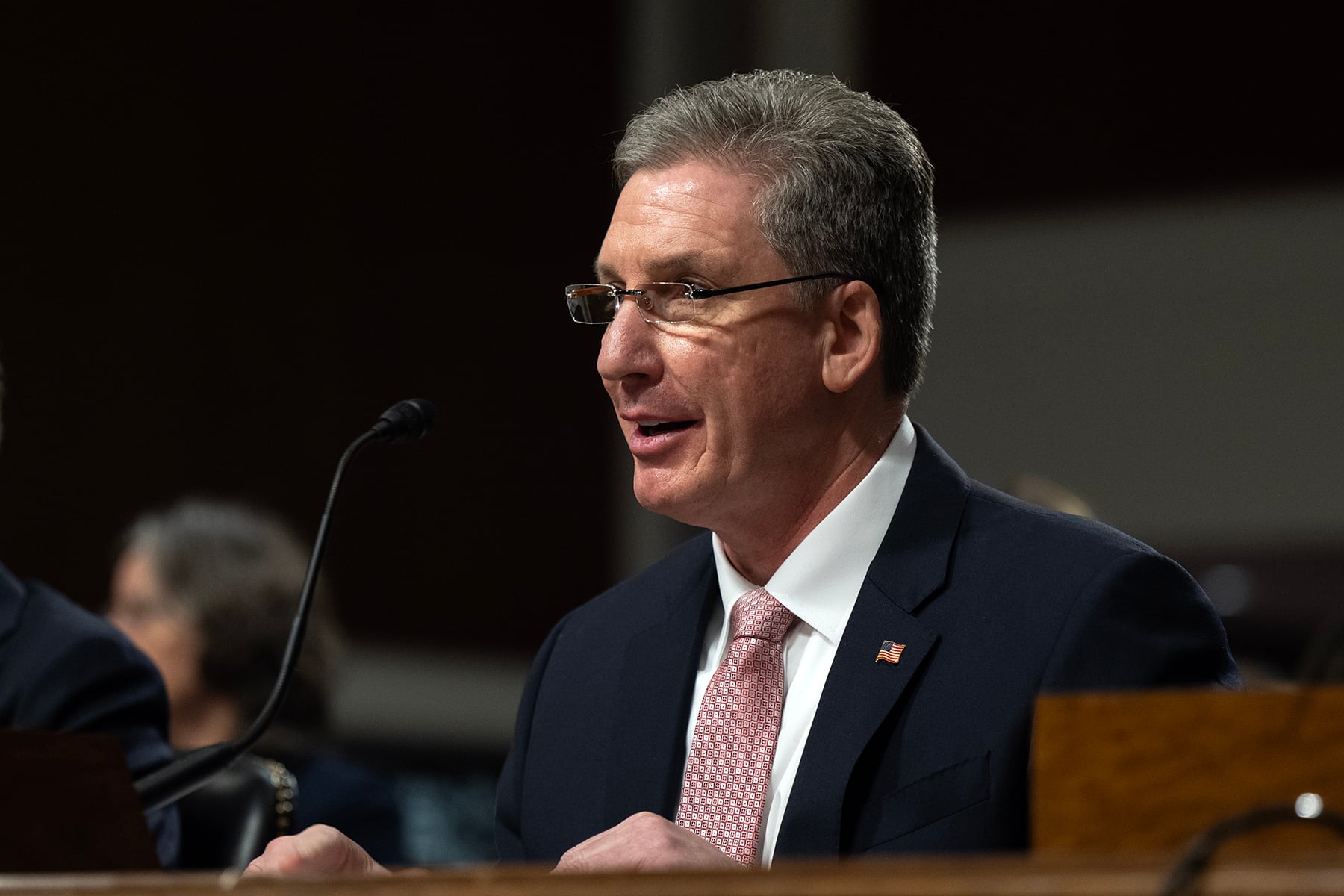
A retired Navy commander who was a former director of the White House Medical Unit and a former Department of Veterans Affairs health care executive was sworn in as the Defense Department’s top medical leader Monday.
As the new assistant secretary of defense for health affairs, Keith Bass will oversee health policy and budgeting across the Military Health System, which is responsible for the health care of 9.5 million beneficiaries, including active duty personnel, retirees, families and others. He will direct the activities of the Defense Health Agency and be chief medical adviser to the secretary of defense.
“I am deeply committed to forging a seamless, world-class health care experience that supports our uniformed personnel and their families from their first day of service to their last, and continues to care for them as veterans,” Bass said in the announcement of his new position.
His top priorities for the Military Health System will be improving medical readiness and stabilizing the system to provide the most advanced care possible on and off the battlefield, he told the Senate Armed Services Committee during his March confirmation hearing. He was confirmed by the Senate Jan. 5.
Another top priority is focusing on mental health and suicide prevention, Bass told the committee in response to its advance policy questions last year.
Bass spent 20 years in the Navy, first as an enlisted sailor, before rising to the rank of commander. He served aboard ships, on humanitarian missions, in military treatment facilities, at the White House, at the CIA and the Navy Bureau of Medicine and Surgery.
He was the CIA’s first nonphysician director of the Office of Medical Services and the second nonphysician assistant secretary of defense for health affairs.
At the White House from 2013 to 2019 he was the director of the medical unit, managing medical care to the president, vice president and their families.
Most recently he was medical center director for the West Texas VA Health Care System, Veterans Integrated Service Network 17, managing health care services for more than 24,000 veterans.
The most significant challenge facing the MHS is improving medical readiness in an environment of limited resources, with the increasing cost of health care, he said in the policy answers. The greatest threat to the long-term viability of the MHS, he wrote, is the fiscal instability.
The Military Health System has faced a number of challenges including persistent shortages of medical personnel, and problems over the last year with the new Tricare contracts as patients had trouble getting referrals to specialty care, finding providers, and other issues. In his answers to the policy questions, he said he will prioritize monitoring access to care, including prompt referral management and Tricare provider network adequacy.
He supports “more appropriately staffing” the military treatment facilities, he wrote.
Bass said he “”wholeheartedly” agrees with the 2023 DOD directive to reattract at least 7% of Tricare beneficiaries from the private sector back to military treatment facilities for direct care in the military system, by the end of this year. He said he will evaluate staffing levels and capacity across MTFs, and will ensure that DOD policies support improvements to MTF manpower requirements, “as well as making access to care at MTFs easier and more patient-centered,” he wrote.
RELATED
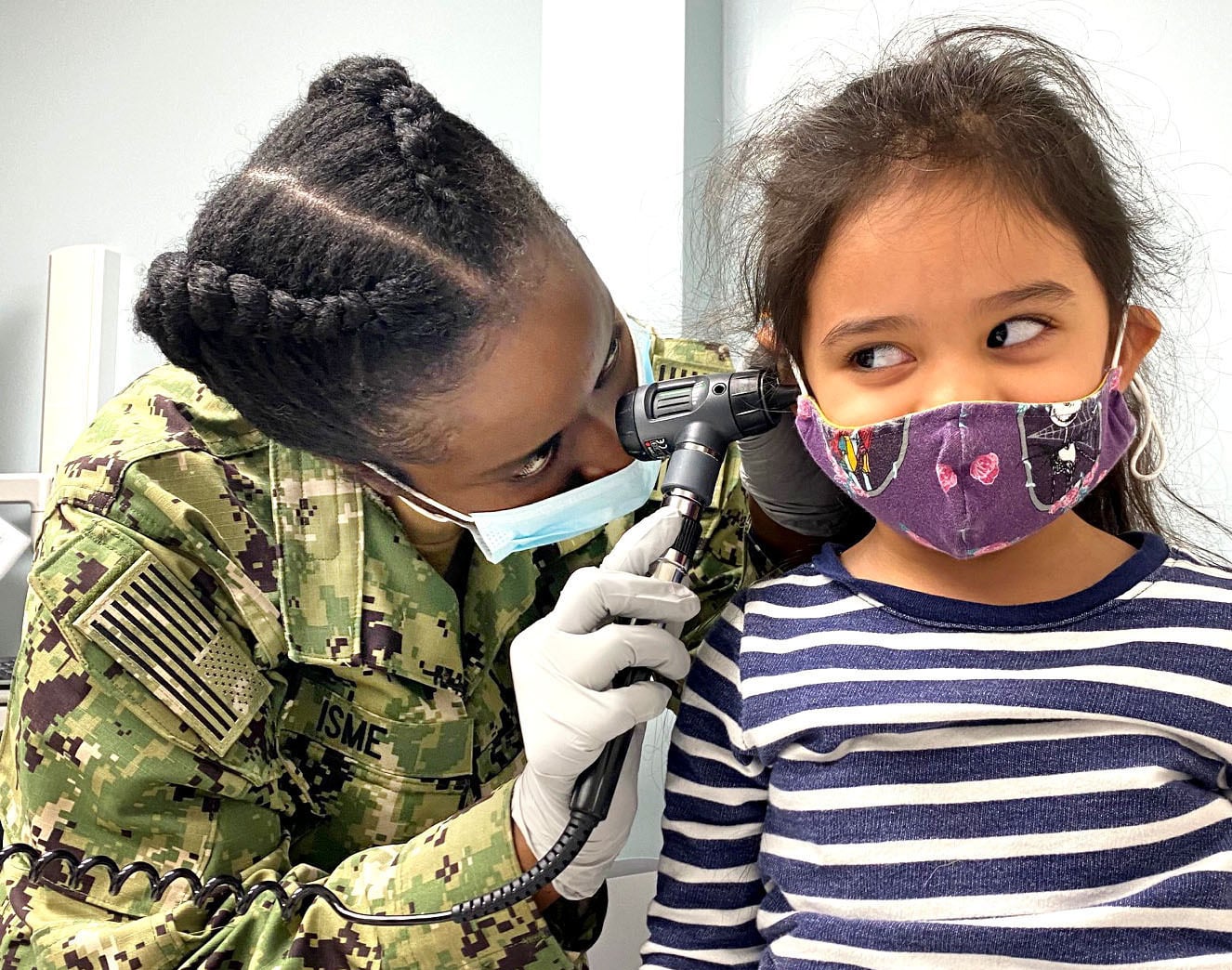
He said in the long run, MHS cannot sustain significant medical personnel shortages that he cited and will have to make decisions about where to place limited resources. He stated he was not aware of specific actions to downsize or reduce medical services but acknowledged the “delicate balance between reattracting care and optimizing available services at MTFs.”
DOD’s current mental health resources are not adequate to meet the needs of active duty and other beneficiaries, he said, adding that he will look at increasing telehealth for mental health on the battlefield as well as those at home station. He said he will ensure that a comprehensive policy for mental health care access is implemented quickly.
Karen has covered military families, quality of life and consumer issues for Military Times for more than 30 years, and is co-author of a chapter on media coverage of military families in the book "A Battle Plan for Supporting Military Families." She previously worked for newspapers in Guam, Norfolk, Jacksonville, Fla., and Athens, Ga.