Cold, calculating, and ruthless adversaries do not hesitate. Hot, searing shrapnel and bullets do not discriminate. War is the most ruthless, utilitarian endeavor in humanity: either you are ready, or you aren’t. Either you come home, or you don’t. That is the ultimate measure of readiness, and that is why our soldiers train so hard.
Our president and secretary of war understand that wars are won before they are fought. The first battle of the next war began last April when President Trump and Secretary of War Pete Hegseth unleashed sweeping reforms to modernize our military. The Army heard that order loud and clear, and we’ve been battling complacency, calcification and decades of contorted decision-making ever since.
In September, Hegseth stated, “Standards must be uniform, gender-neutral, and high. If not, they’re not standards — they’re just suggestions, suggestions that get our sons and daughters killed.”
That has been the Army’s lodestar over the past year, but also since our founding, over 250 years ago: prepare our soldiers to dominate the battlefield, raise their quality of life while they’re home and remove any obstacles to achieving that goal. Giving our soldiers anything less, then sending them to war, is unconscionable.
Nearly a year later, we are proud to say that we have made substantial progress toward our goal of preparing soldiers to dominate on the battlefield.
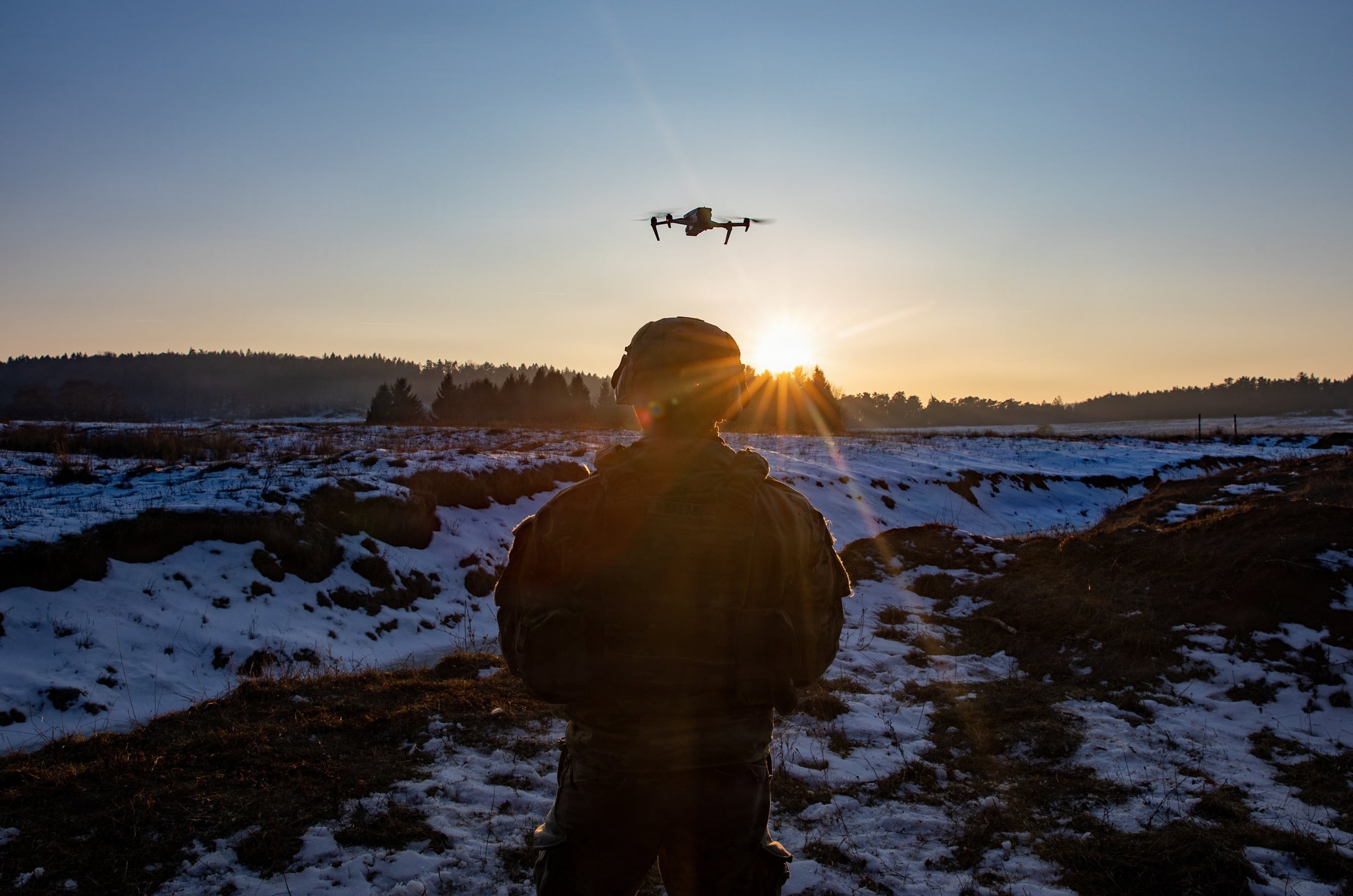
Operationally, soldiers are innovating and driving change. Units like the 25th Infantry Division in Hawaii and the 101st Airborne Division at Fort Campbell are leveraging cutting-edge technologies, such as 3D printing, to create drones tailored to their missions.
The Army Software Factory is empowering soldiers to develop software solutions that enhance operational effectiveness. Transformation in Contact units are embedding engineers and coders directly into operational environments, closing the innovation loop and iterating quickly to ensure soldiers have the tools they need to succeed in dynamic and unpredictable battlespaces.
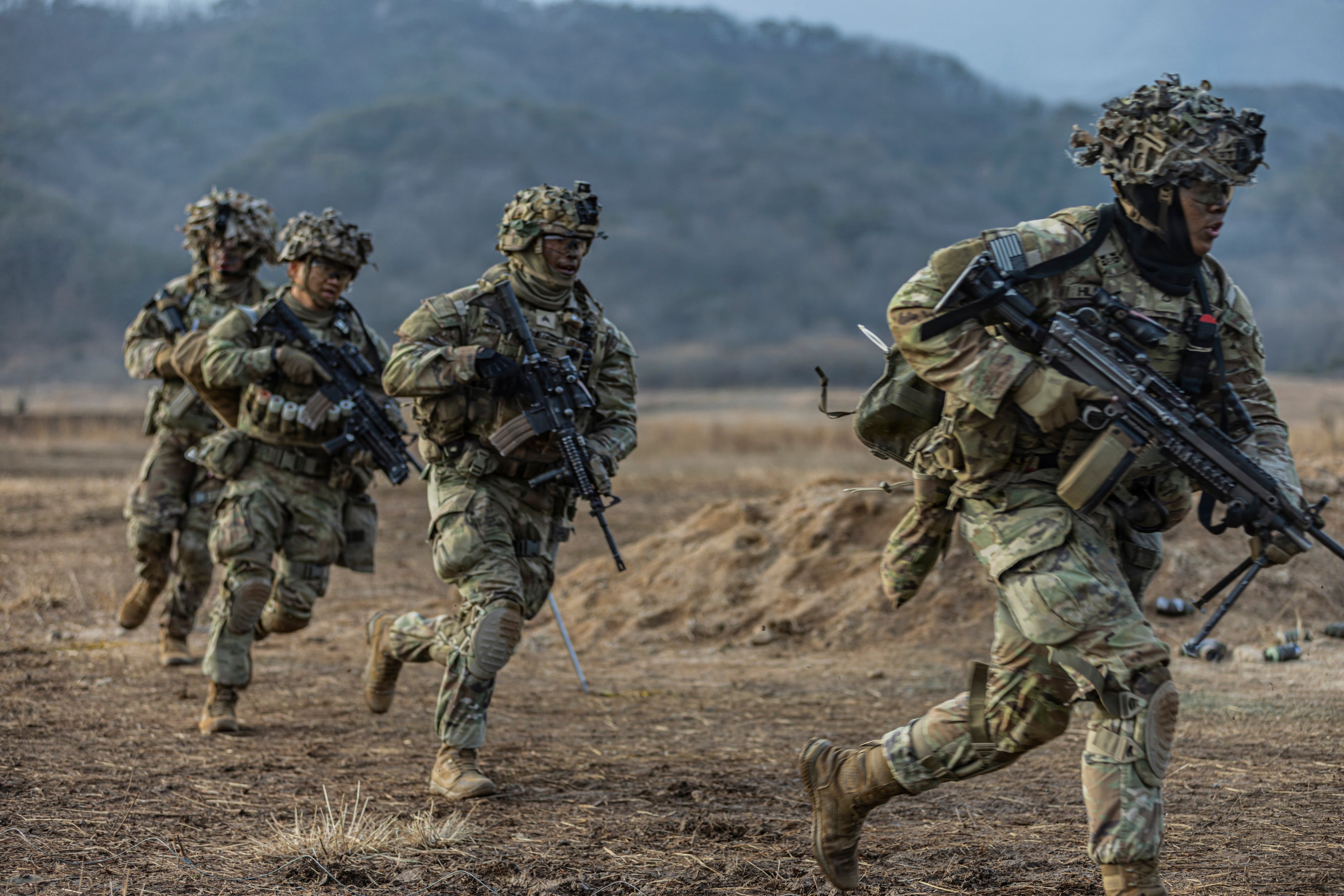
Institutionally, we’ve made fundamental acquisition reforms to take operator feedback and quickly deliver what soldiers need. Inspired by the president’s call for modernization and Secretary Hegseth’s mandate to eliminate inefficiency, we cut bureaucracy and delegated decision-making authority to Program Acquisition Executives, enabling them to move quickly and scale validated capabilities. FUZE, the Army’s venture funding model, identifies, seeds, tests and matures promising technologies.
Advanced manufacturing initiatives led by Army Materiel Command allow us to produce equipment organically, respond rapidly to demand and keep our force ready. These reforms ensure soldiers have access to the best tools and technologies to dominate the battlefield.
Culturally, we’ve promoted a mindset of lethality, innovation and uncompromising standards. Secretary Hegseth’s declaration that “standards must be uniform, gender-neutral and high” has guided our efforts to enforce rigorous training and empower leaders at every level.
Soldiers, from overseas deployments to basic training, are experimenting, learning and pushing lessons learned all the way to the Pentagon. Everywhere we go, soldiers report there is a tangible change — they can feel it in their formations — and it’s absolutely refreshing.
Soldiers make sacrifices for our nation, but their quality of life should not be one of them.
We are aggressively supporting Secretary Hegseth’s “Clean, Comfortable, Safe” mandate to improve living conditions in our barracks. Army-wide housing inspections are underway, and hundreds of millions of dollars have been allocated to address deficiencies.
Free barracks WiFi initiatives are expanding rapidly, starting with Fort Riley, to ensure soldiers stay connected.
In partnership with leaders like Robert Irvine, we are launching campus-style dining options that provide convenient, affordable and healthy meals, expanding to five installations this year. Improving soldiers’ quality of life is not just a moral obligation — it is essential to maintaining a ready and resilient force.
We’ve reduced barriers to these reforms, but we need help.
Within our Title 10 authorities, we aggressively tore down bureaucratic obstacles. We moved funding away from wasteful spending and obsolete programs and aligned it toward initiatives that benefit our soldiers — like FUZE, drones and the ISV.
We cut headquarters billets, introduced automation to increase output and moved more soldiers and leaders to fighting formations. Amid record-setting recruiting and retention numbers, we raised our standards for appearance, performance and conduct.
But to sustain this momentum, we need Congress to continue to support agile funding and modernization efforts. We need help moving away from legacy platforms and toward capabilities that meet the demands of modern warfare. Most importantly, we need the American people to advocate for change and support our soldiers.
Enabling our soldiers to fight, win and return home is in every American’s interest. It is incumbent that our efforts bolster the Army’s ability to remain the most lethal and capable fighting force in the world.
We made great headway in 2025 to prepare our soldiers, improve their quality of life and reduce barriers — but we have only scratched the surface. These changes will manifest, they will compound and our Army will be stronger than ever.
Our adversaries are relentless and will not hesitate to challenge our way of life. American soldiers stand ready to face that challenge, but they cannot do it alone. We must all ensure they are ready to fight, win and return home.
Daniel P. Driscoll became the 26th secretary of the U.S. Army on Feb. 25, 2025. A native of Boone, North Carolina, he oversees operations, modernization and resource allocation for nearly one million active, Guard and Reserve soldiers and more than 265,000 Army Civilians. He is a former Army officer who led a cavalry platoon of the 10th Mountain Division in combat in Iraq. He subsequently received a Juris Doctor from Yale Law School and became a business leader in the private sector.